Published : 2026-11-05
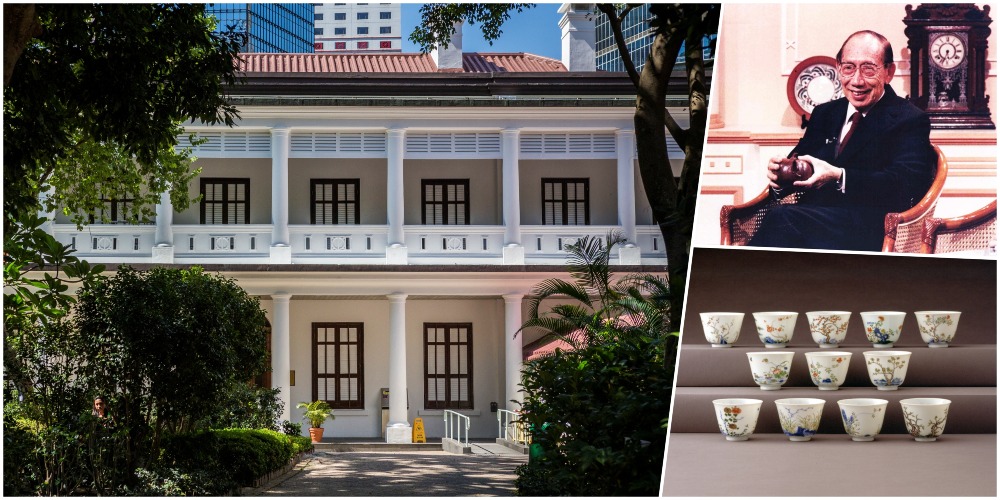
Visiting the Flagstaff House Museum of Tea Ware (茶具文物館) in Hong Kong Park gives one a subtle sense of contrast: inside a Greek Revival-style colonial white building are treasured Chinese tea wares that span over a thousand years of history; and the museum has an inexplicable connection with Vitasoy, something seemingly entirely unrelated.
Formerly Commander's residence becomes Flagstaff House Museum of Tea Ware
Nestled between Central and Admiralty, Hong Kong Park is a rare oasis in the bustling city.
Tourists or the younger generation may not know that this prime land, stretching from Hong Kong Park and the Queensway Government Offices to Pacific Place, was once entirely part of the heavily guarded "Victoria Barracks".
It was not until the British military released the land in 1979 and the government rezoned it that the area's current appearance was established.
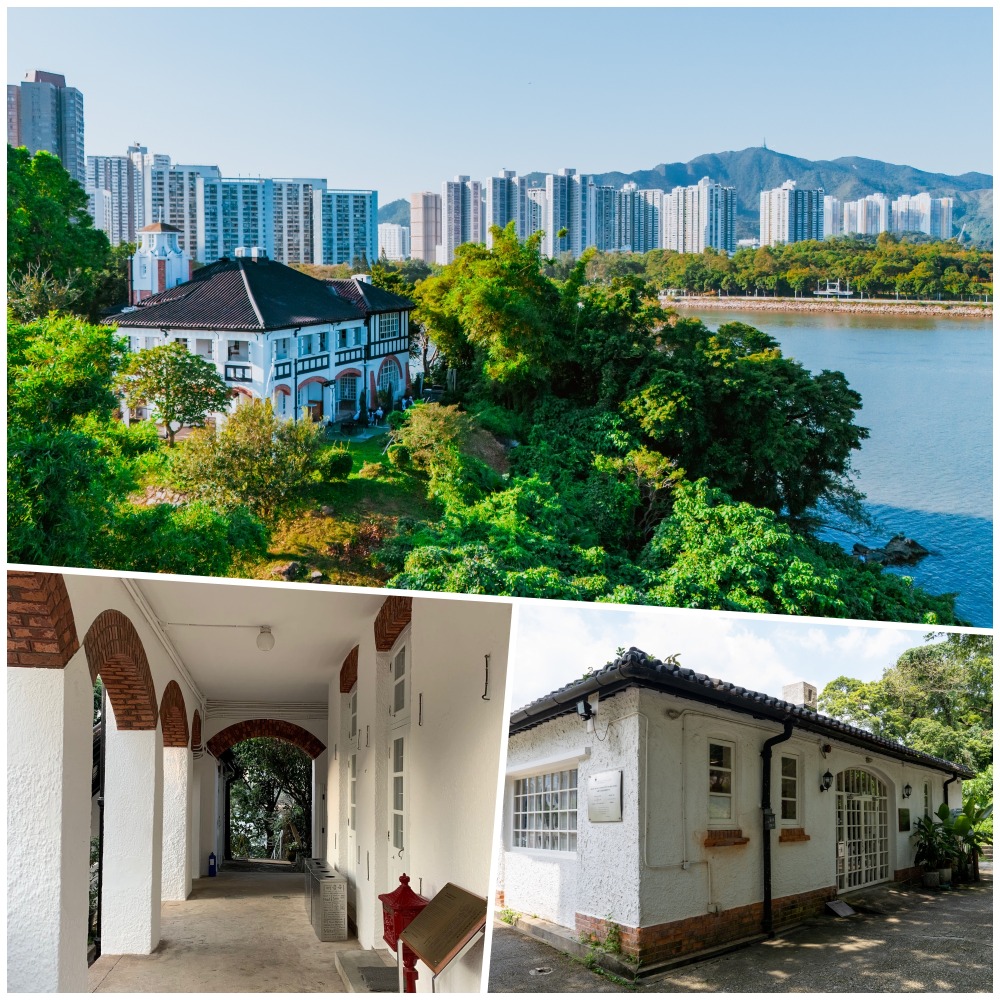
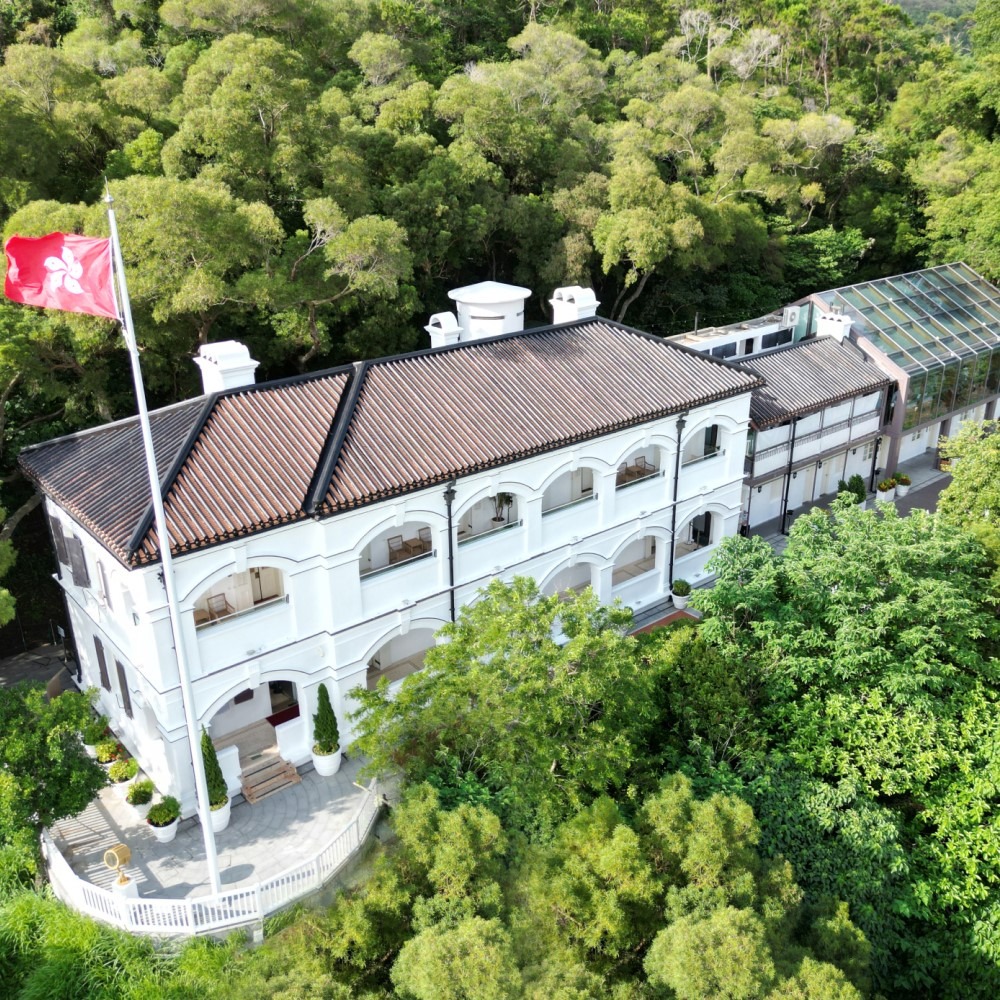
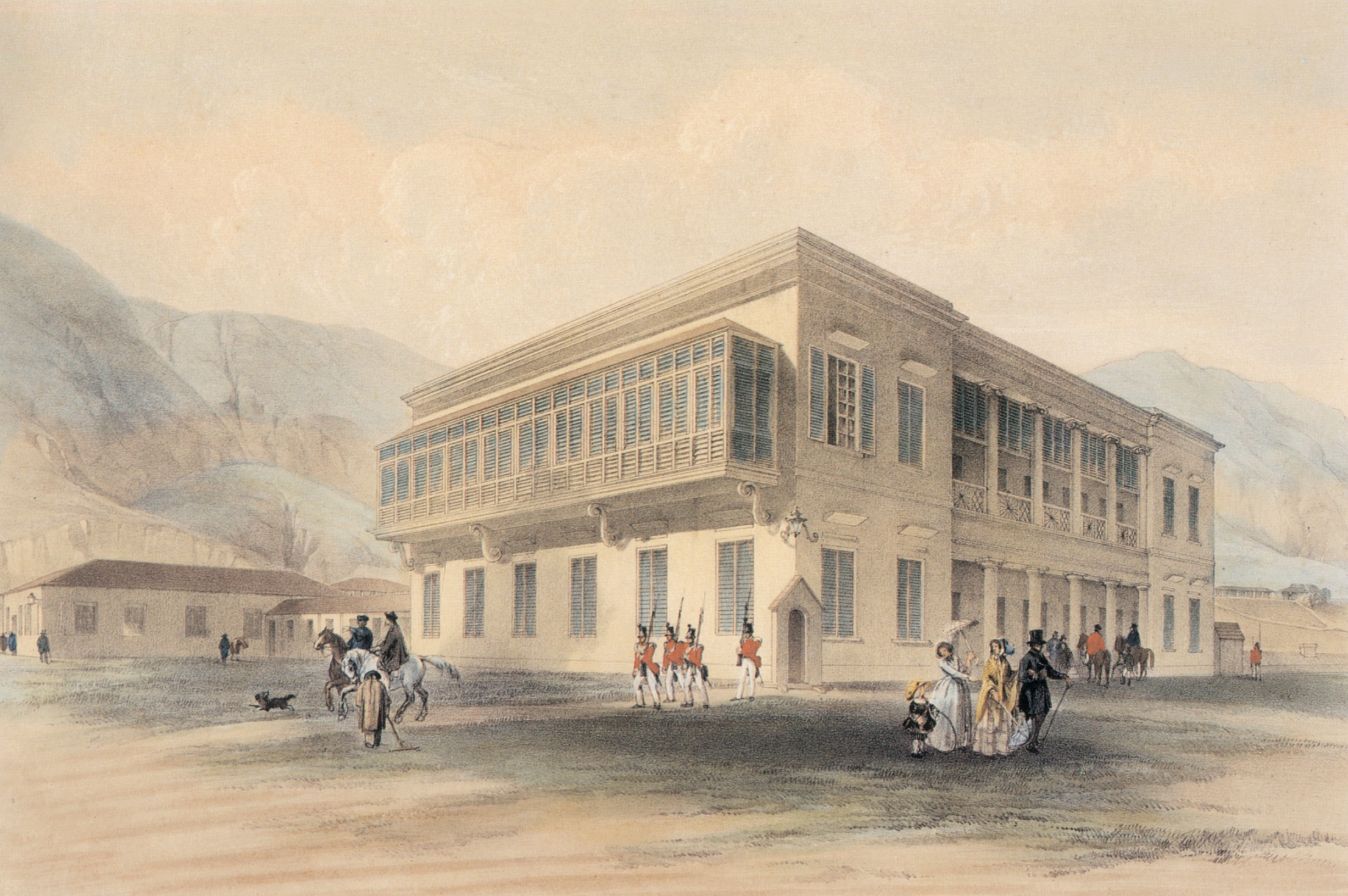
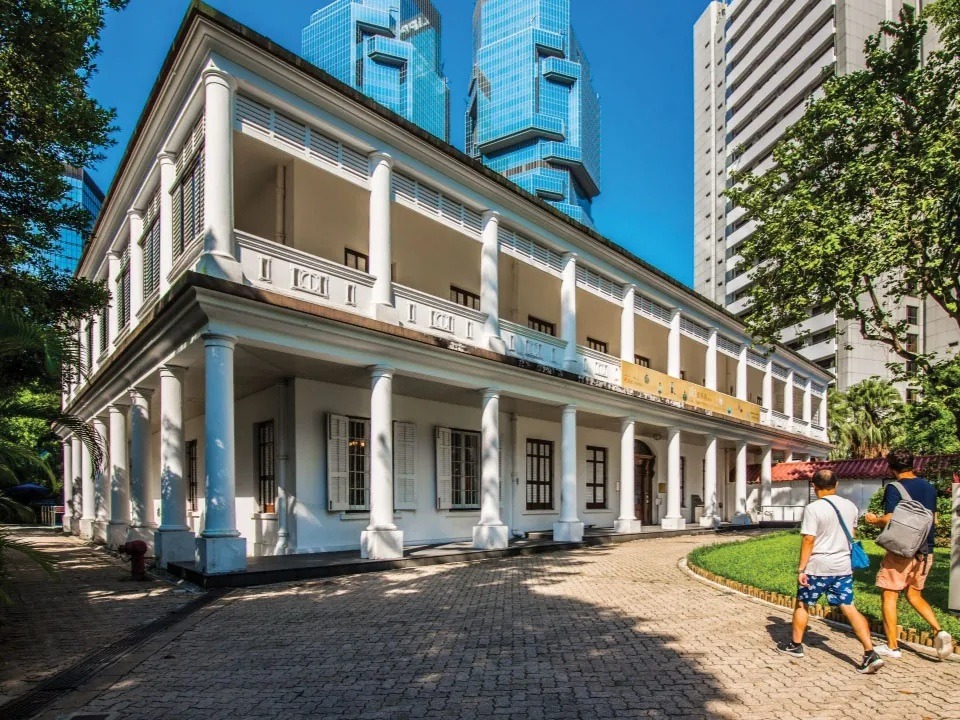
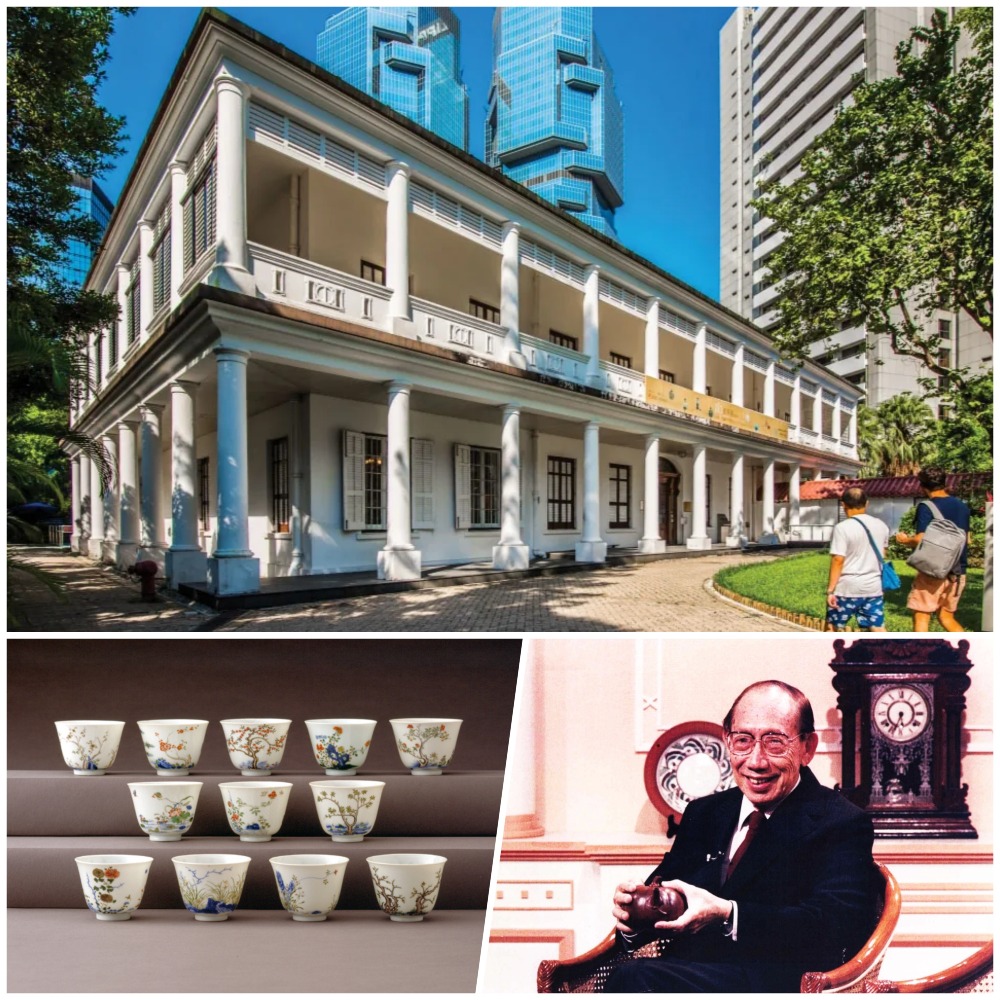
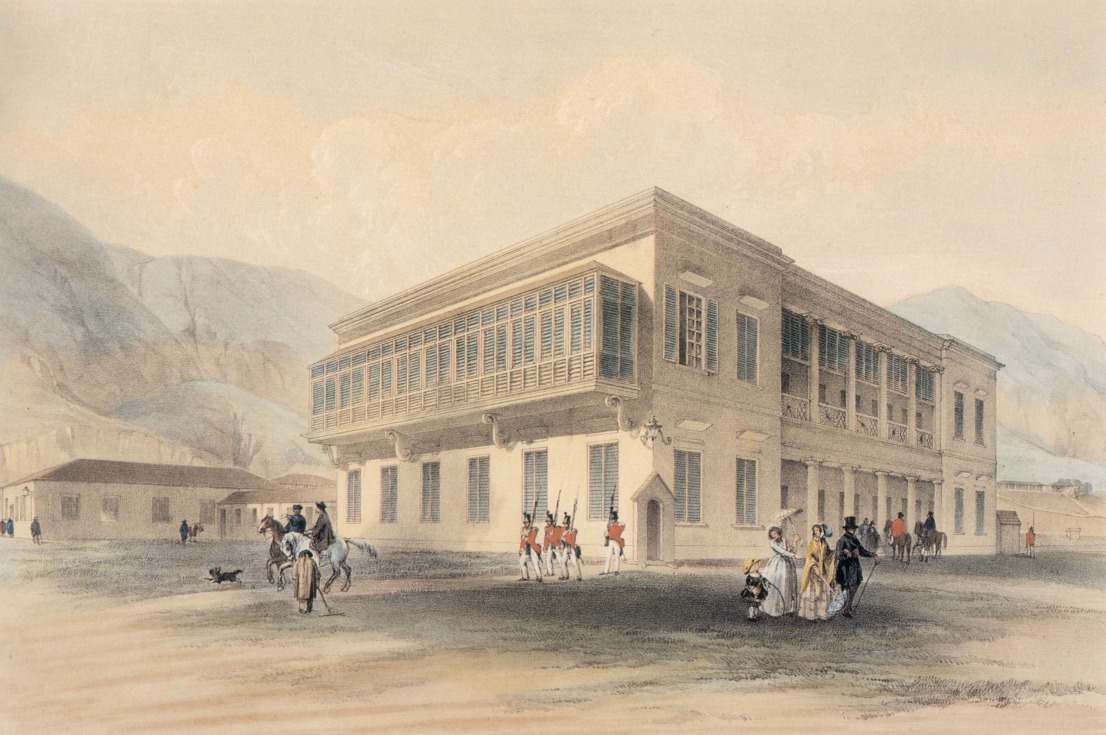
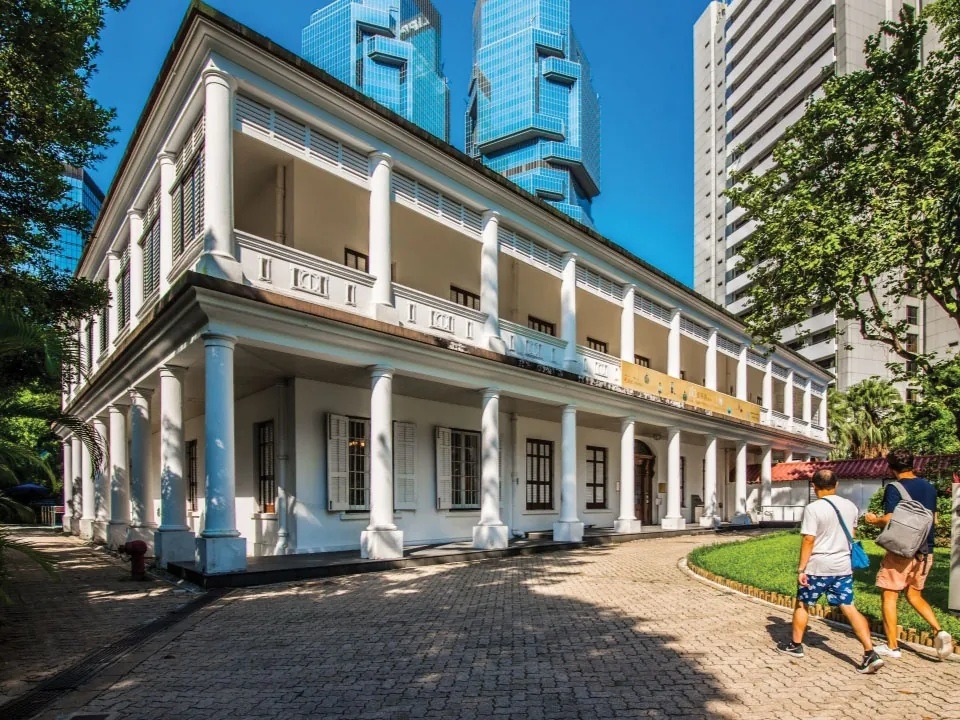
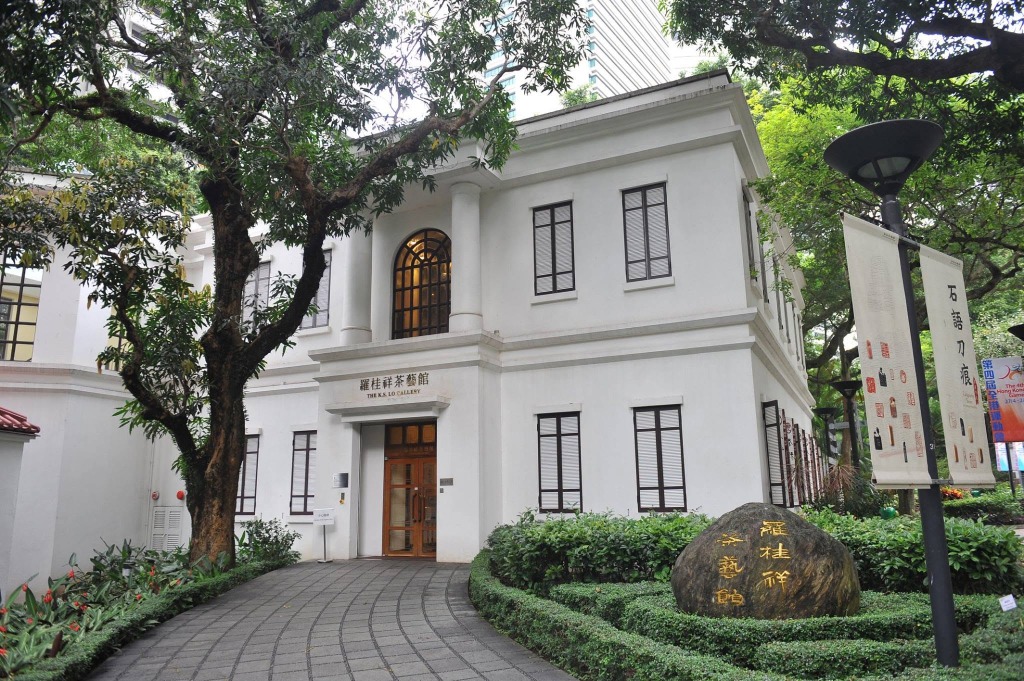
The colonial building housing the Flagstaff House Museum of Tea Ware was formerly the official residence of the Commander of the British Forces, colloquially known as "Flagstaff House".
This white Greek Revival-style building, constructed between 1844 and 1846, is the oldest surviving Western-style building in Hong Kong, according to the Antiquities and Monuments Office.
The building's architectural designs, such as its wide verandas and towering columns, all underscored the status and power of its original occupant.
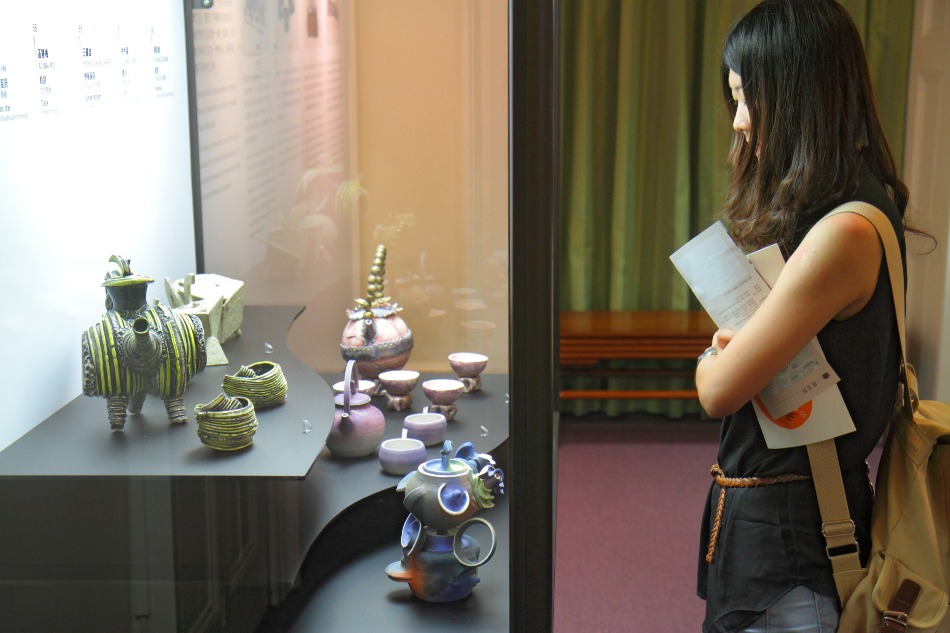
Step into Flagstaff House, one first sees Western architectural symbols like colonnades and verandas; but turning into the exhibition galleries, one finds the usual objects porcelain and zisha (紫砂) teapots of the East everyday world.
"Father of Vitasoy" donated cherished tea wave led to the establishment of the museum
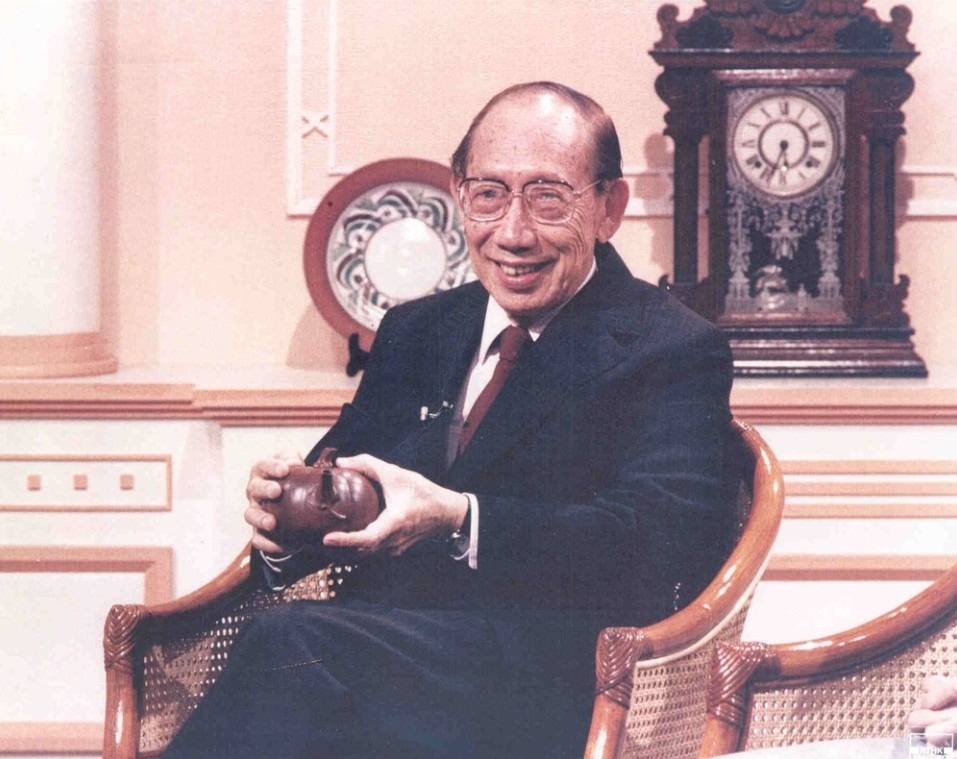
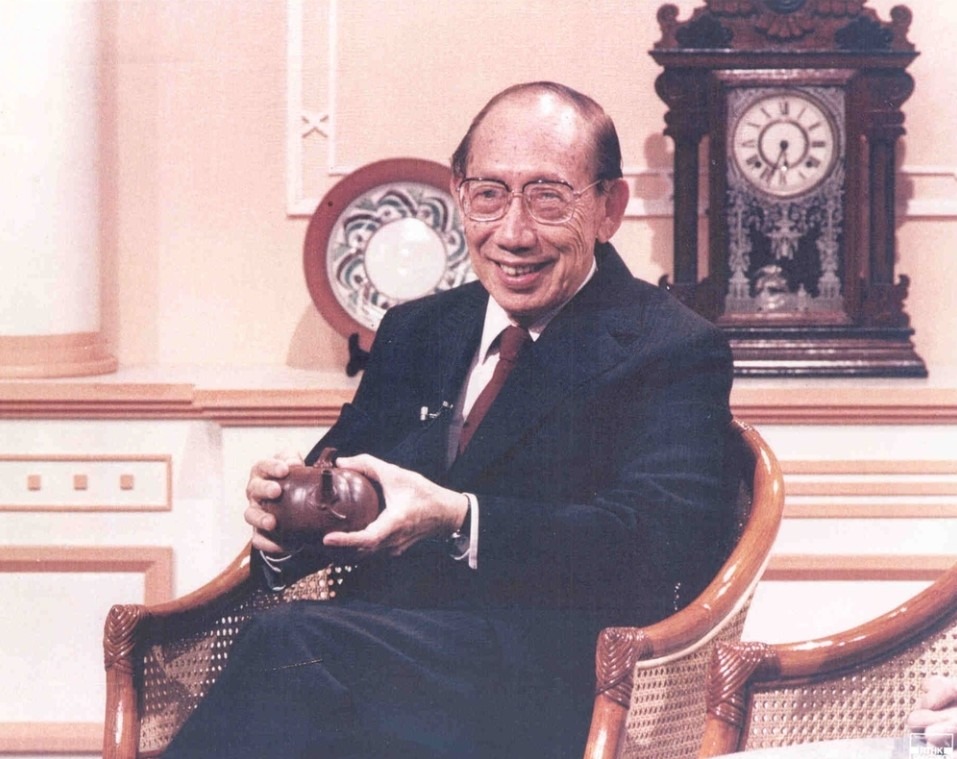
The intersection of a Western-style building and Eastern tea culture begins with one key figure—Lo Kwee-seong (羅桂祥), the "Father of Vitasoy".
In his early years, Lo Kwee-seong followed Eu Tong Sen (余東旋), the owner of Eu Yan Sang (余仁生), in Southeast Asia to do business and earned his first fortune.
In the 1940s, seeing many grassroots refugees who had fled to Hong Kong were suffering from hunger and poverty amidst the chaos of war, he was determined to promote the highly nutritious soy milk as an affordable "poor man's milk" for everyone, dreaming of saving the nation through industry, which led to the creation of the Vitasoy business empire.
The public generally knows Lo Kwee-seong for making his fortune with Vitasoy, but few know that the Father of Vitasoy was also a private collector of tea ware.
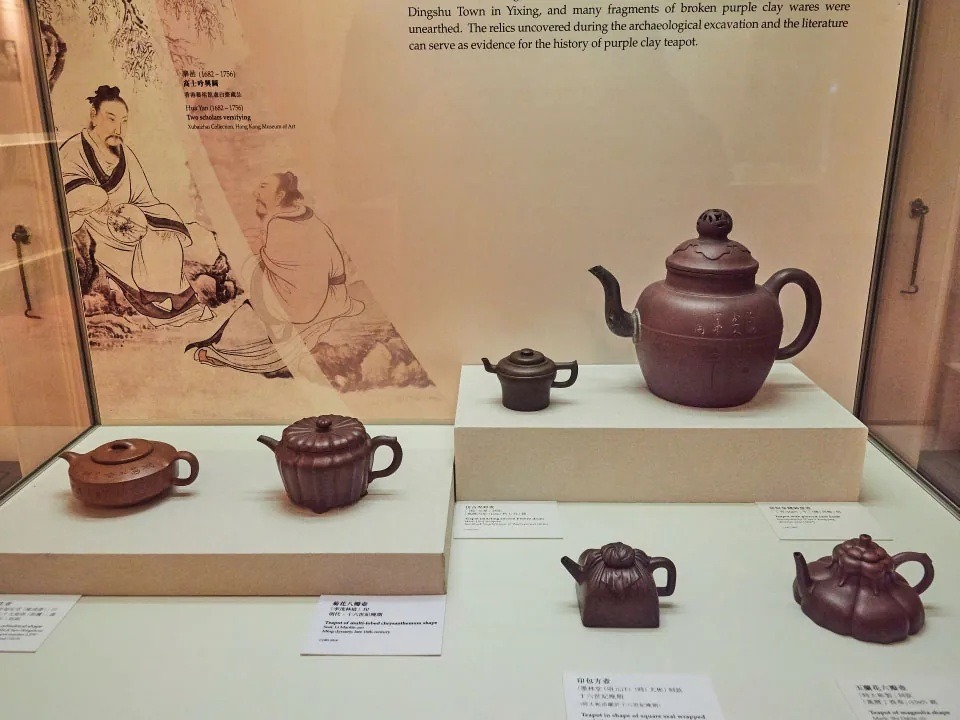
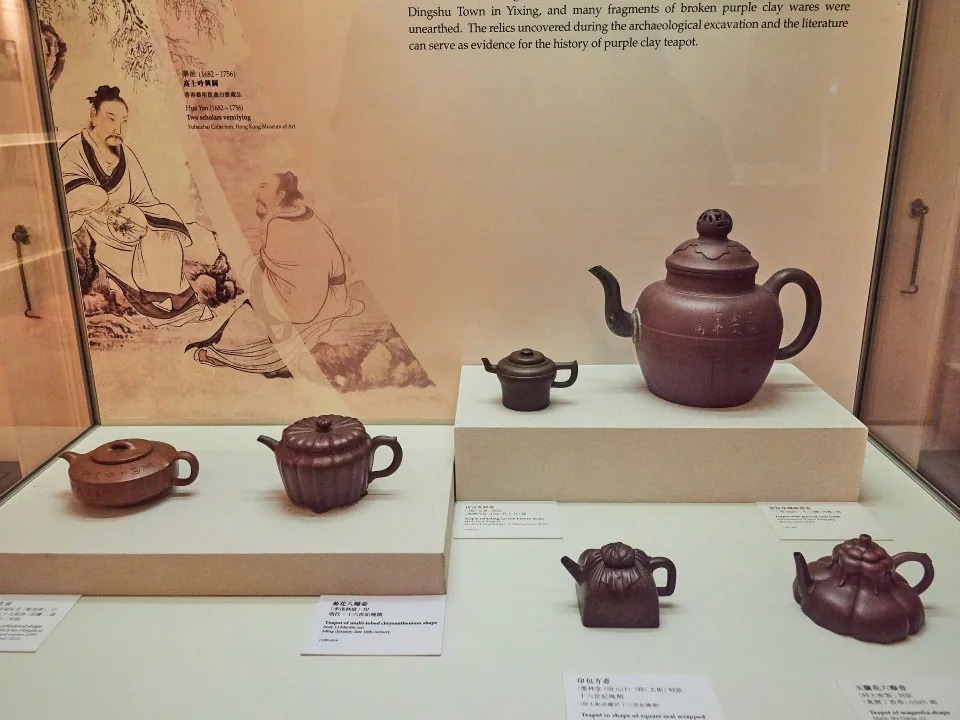
Since chancing upon a Yixing zisha teapot (宜興紫砂壺) in the 1950s, Lo Kwee-seong was captivated by the exquisite craftsmanship of traditional Chinese tea ware and embarked on a decades-long collecting journey.
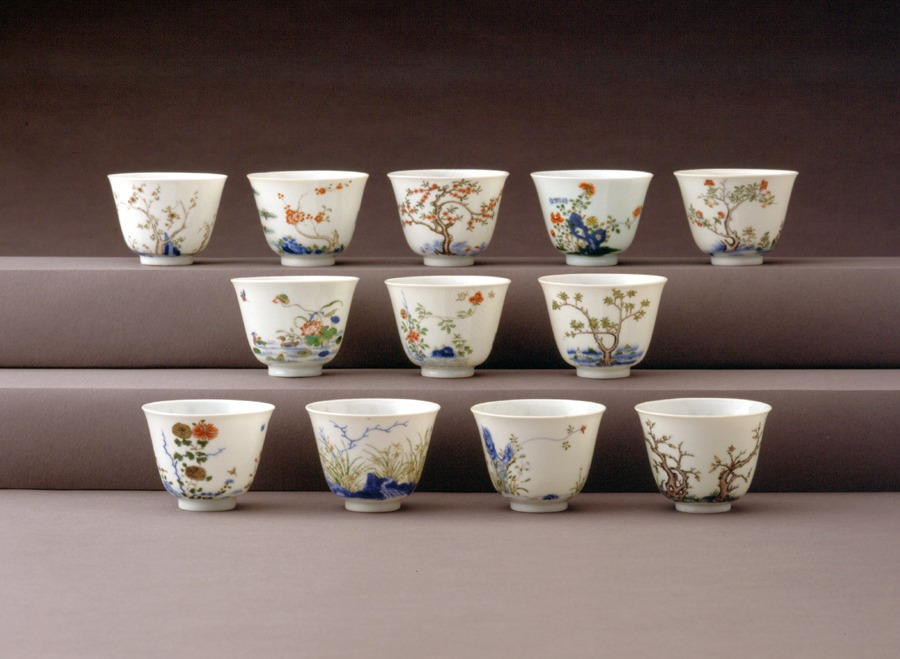
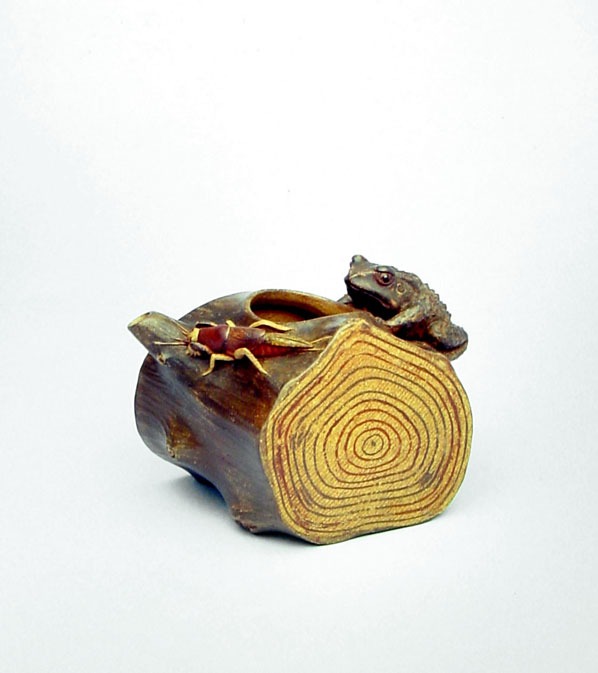
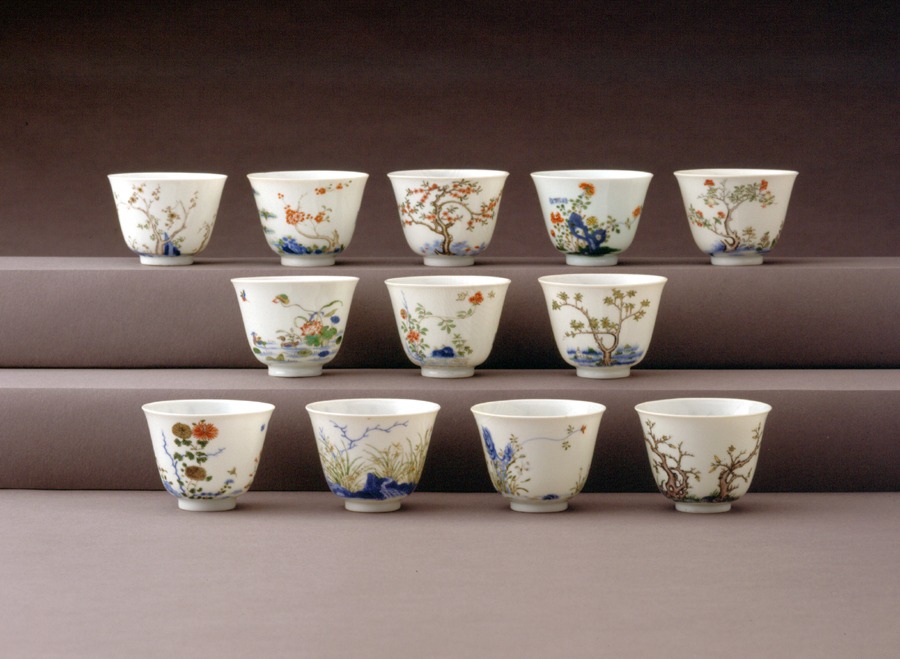
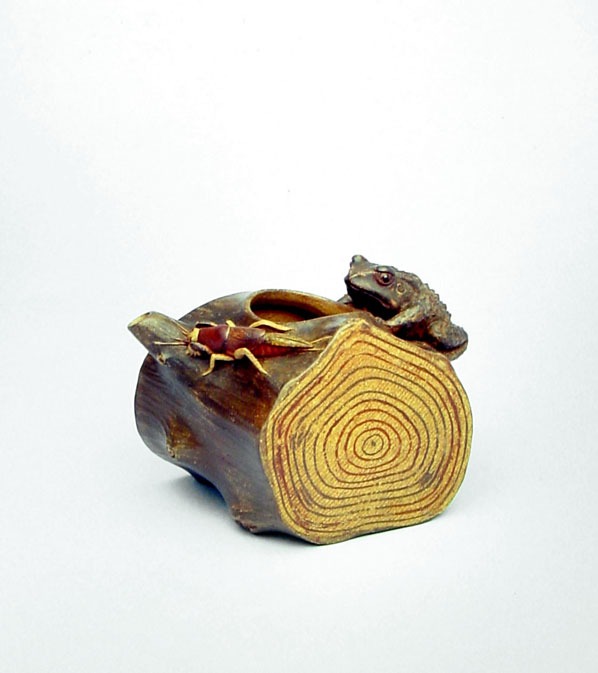
From Tang dynasty ceramic tea bowls and Song dynasty "hare's fur" bowls, to master-crafted zisha teapots of the Ming and Qing dynasties, Lo Kwee-seong devoted immense effort and fortune to tracking down and collecting these precious tea wares scattered overseas, bringing them back to Hong Kong one by one.
The profound connection between milk and tea originates from this.
Addition of the Lo Kwee-seong Tea Gallery to promote tea culture
In the early 1980s, the British military returned Flagstaff House to the Hong Kong Government, and views on its conservation use were divided.
To secure Flagstaff House as Asia's first tea ware museum, Lo Kwee-seong made stunning decision. He unconditionally donated over 600 pieces of tea waves from his private collection, spanning the Western Zhou to the 20th century, to the Urban Council.
In his eyes, cultural heritage, just like soy milk, could nourish the people, and it was better to share the precious tea ware with the public rather than to keep it hidden at home. This selfless donation ultimately led to the establishment of the Flagstaff House Museum of Tea Ware, housing Chinese culture within a Western-style building.
In 1984, Flagstaff House Museum of Tea Ware opened as a branch of the Museum of Art, and five years later, in 1989, Flagstaff House was declared a statutory monument.
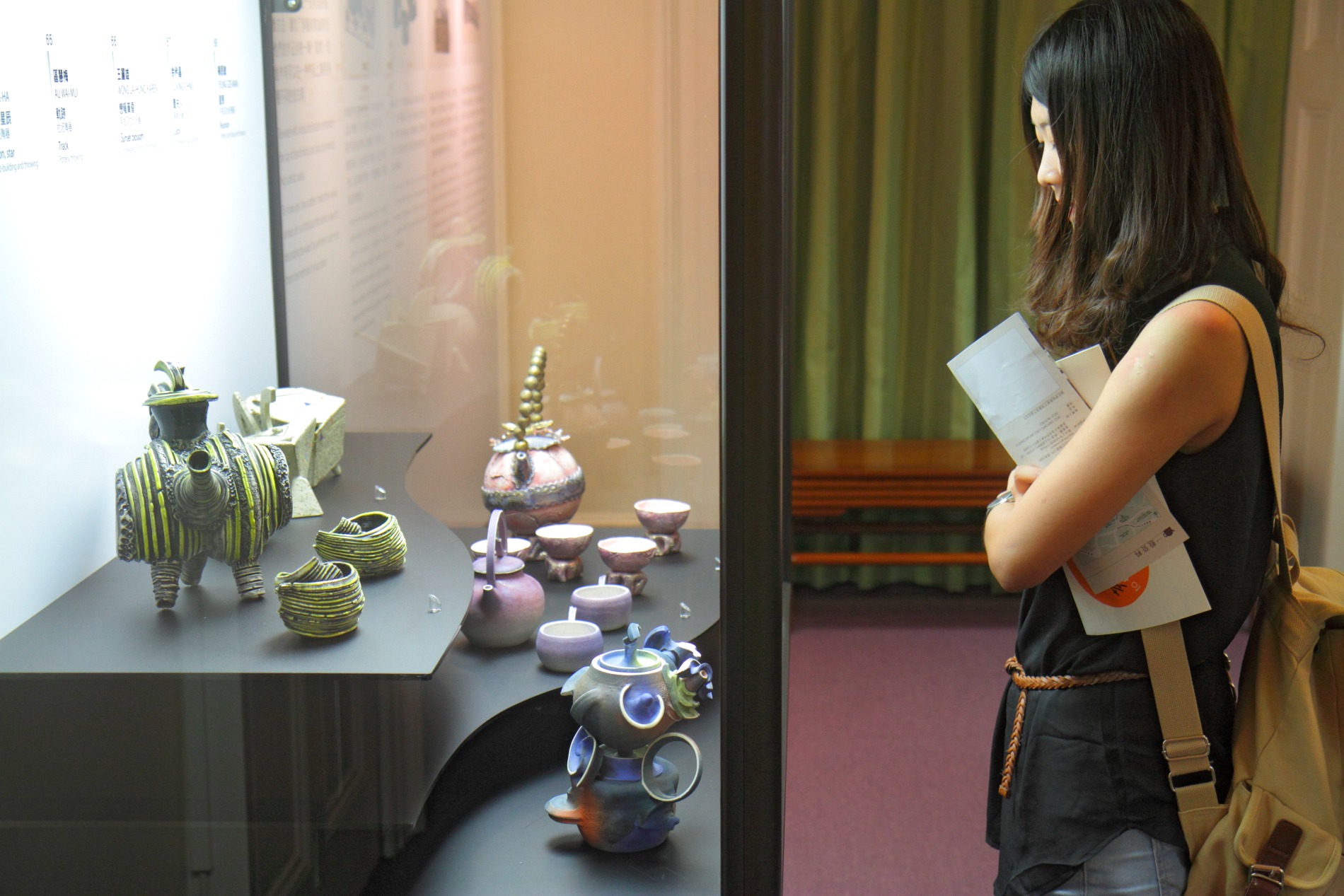
The two-storey former military residence is now a heritage destination for learning about and tasting tea. The ground floor houses a permanent exhibition on tea preparation through Chinese dynasties, while the first floor hosts rotating short-term thematic displays.
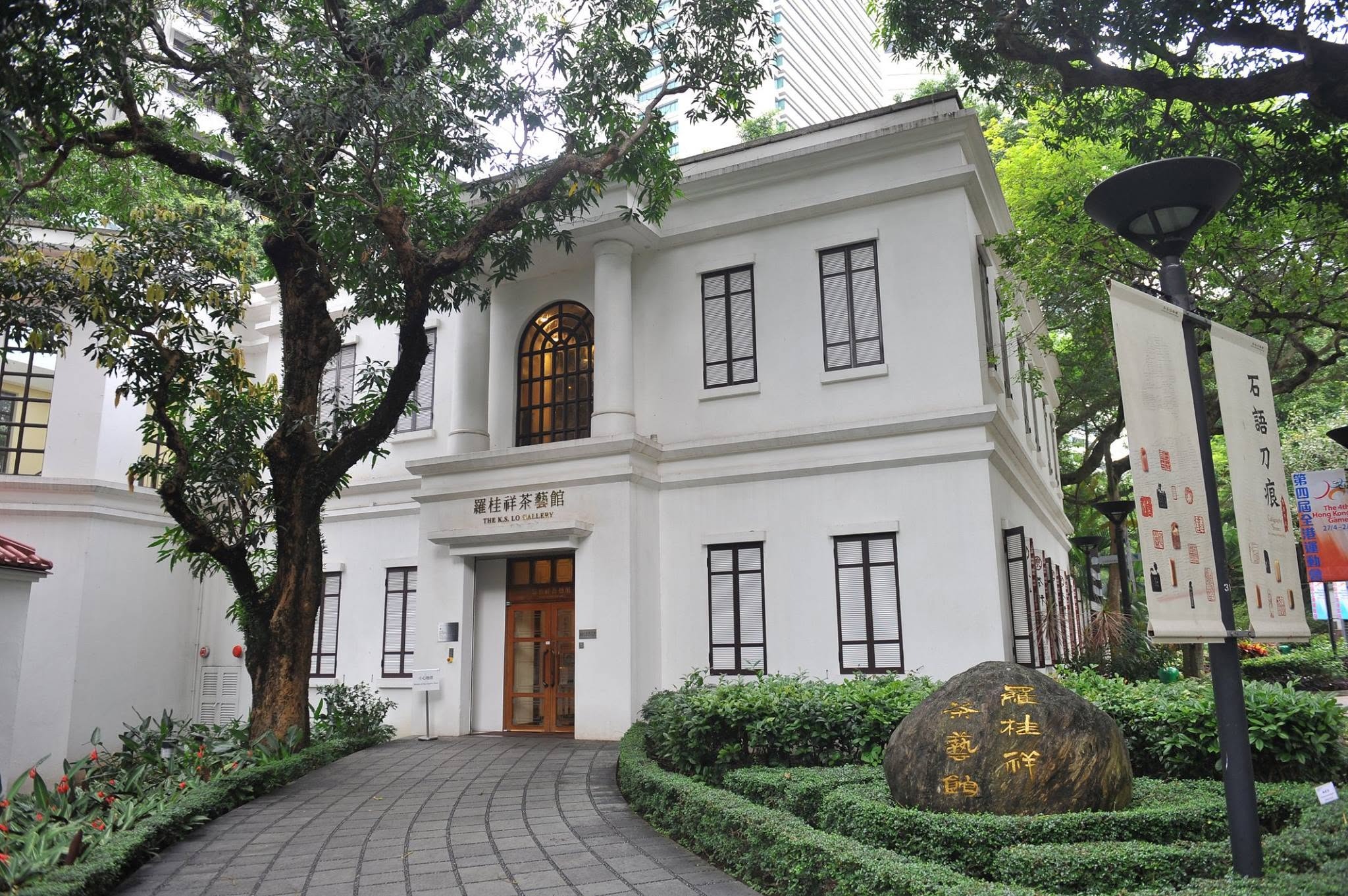
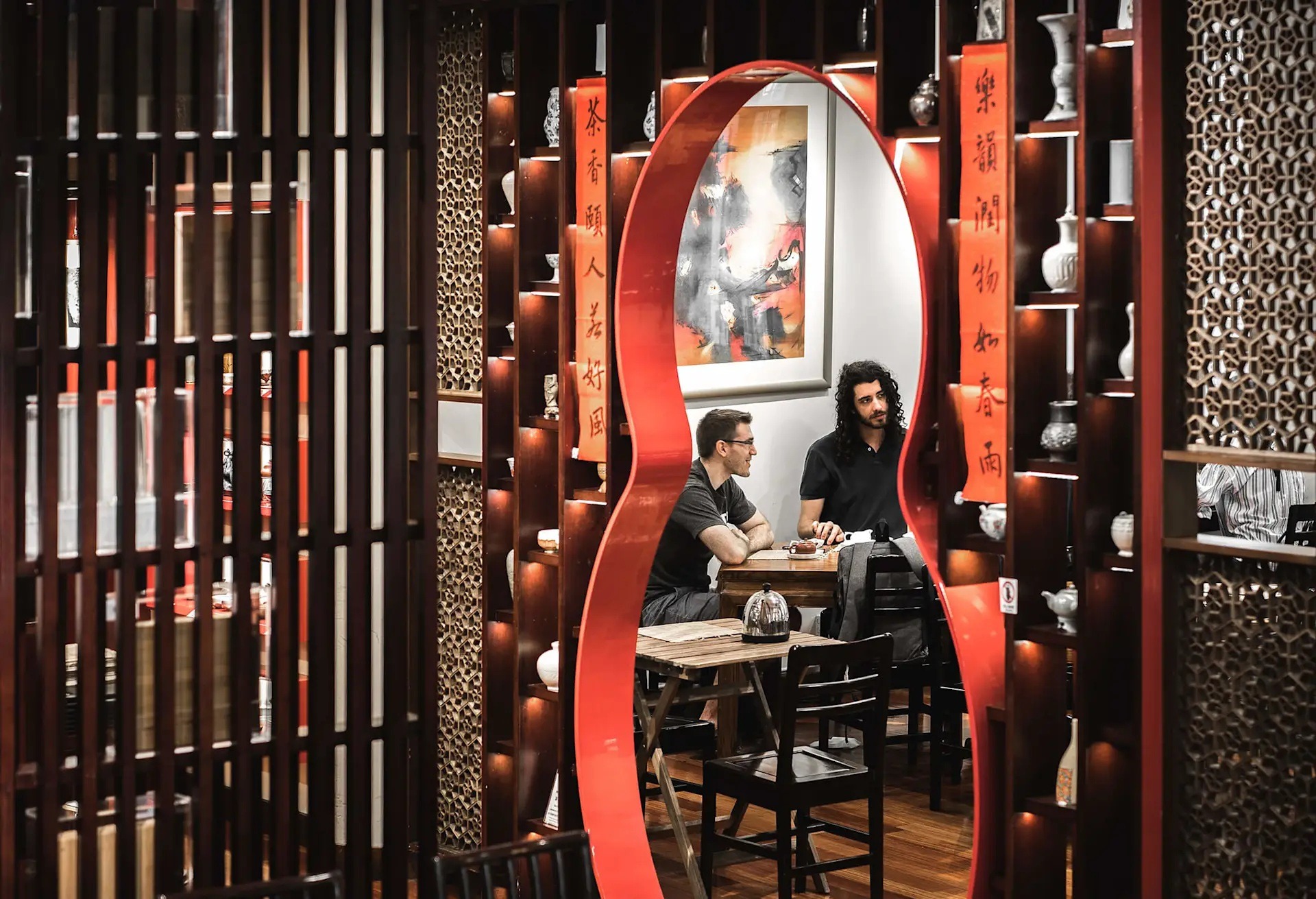
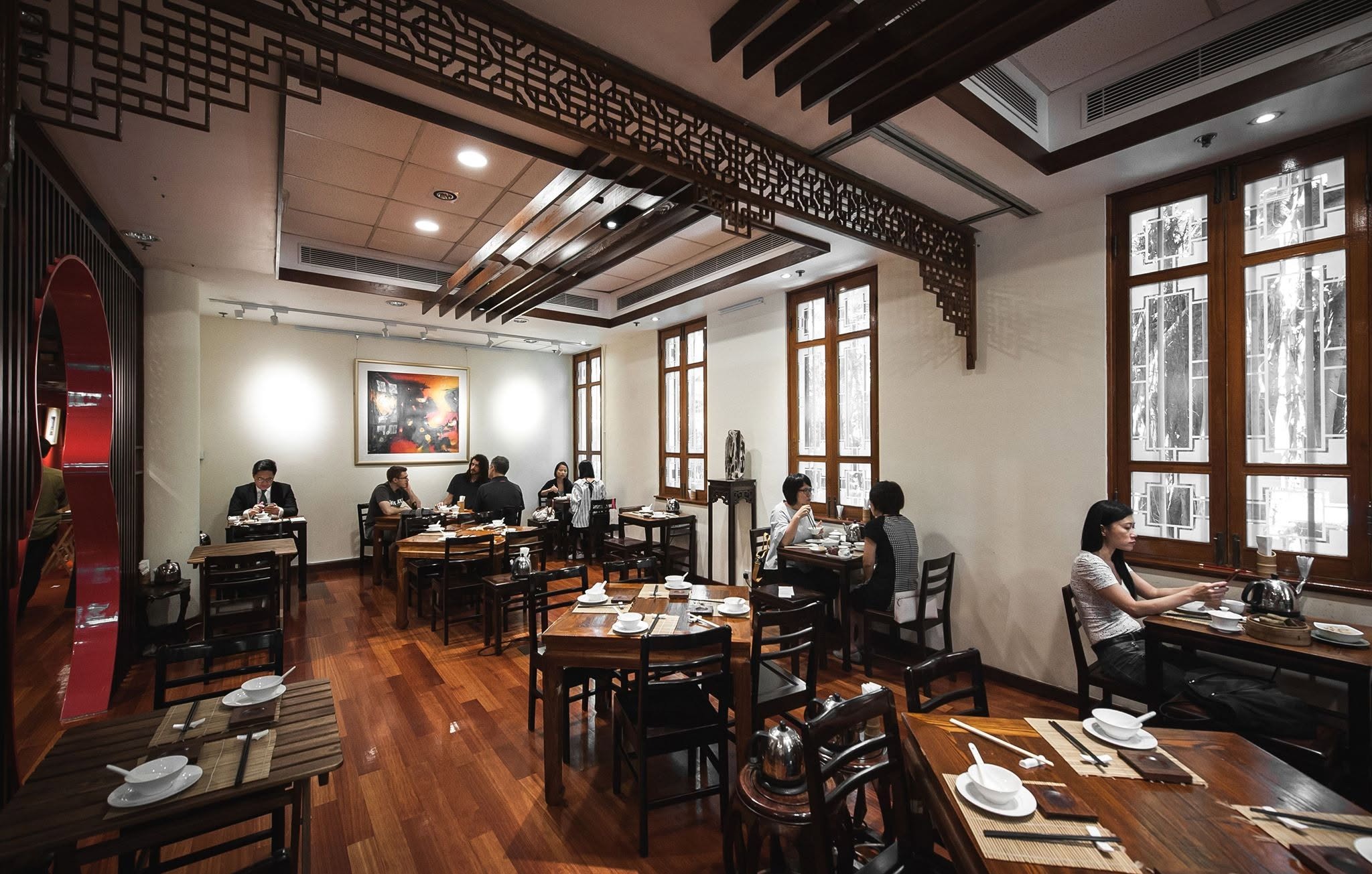
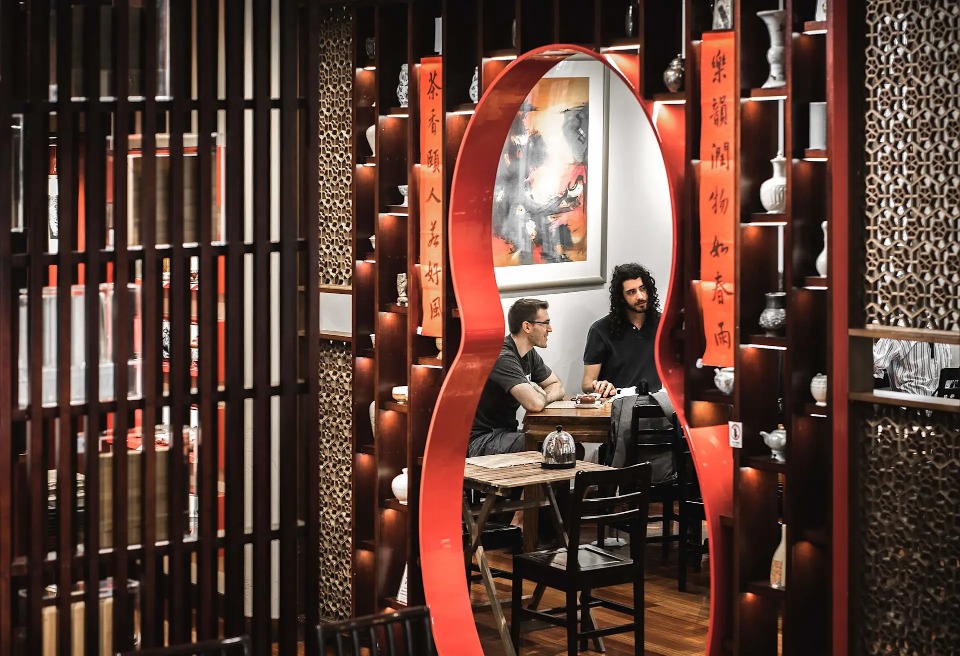
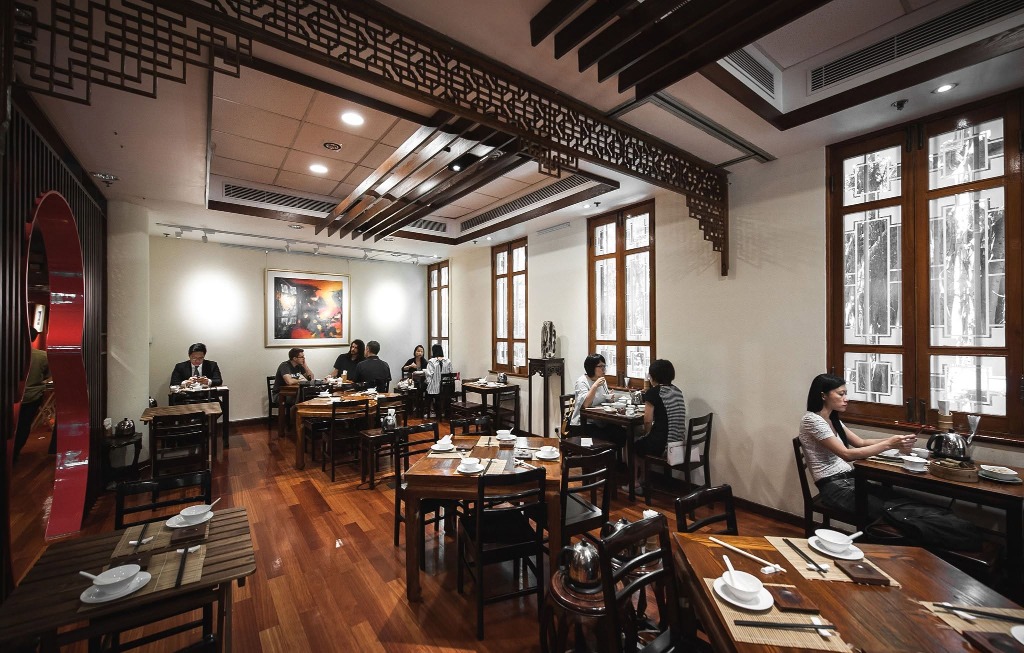
The K.S. Lo Gallery, built next door in 1995 in imitation of Flagstaff House, comprises exhibition space and a tea house; the tea house offers over 100 types of tea and freshly made vegetarian dim sum, catering to both seasoned tea drinkers and beginners alike.
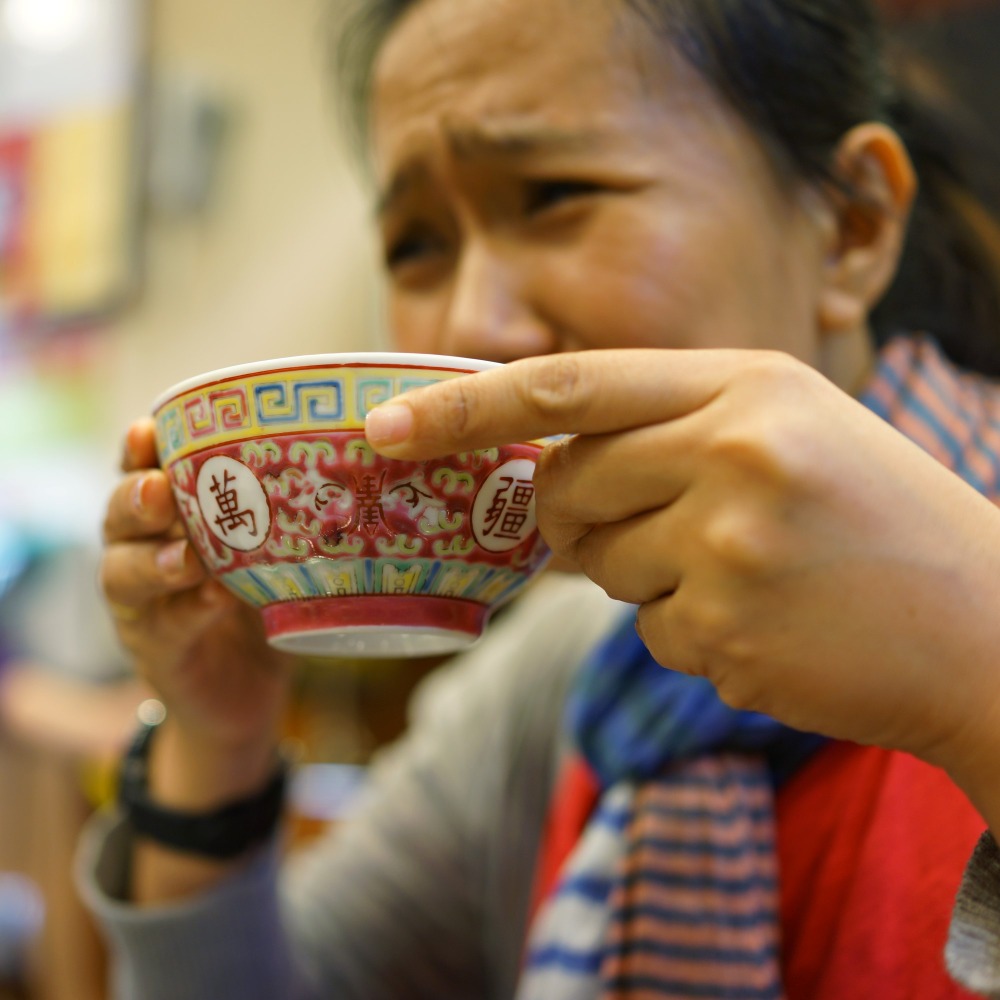
After viewing the exquisite antique tea ware, step into the antique-style Cantonese tea house and take a sip of mellow, smooth pu'er.
In its deep, warm taste swirl the lingering echoes of East-West history and the selfless generosity of the "father of Vitasoy"—like the story here, it lingers long in the heart.
Flagstaff House Museum of Tea Ware (Former official residence of the Commander of the British Forces/Flagstaff House)
Address: 10 Cotton Tree Drive, Central, Hong Kong (inside Hong Kong Park)
Opening Hours: 10am-6pm, Christmas Eve and Lunar New Year's Eve 10am-6pm; (Closed on Tuesdays, and the first and second days of the Lunar New Year)
Admission: Free entry
Website: https://hk.art.museum/tc/web/ma/tea-ware.html
Read more: